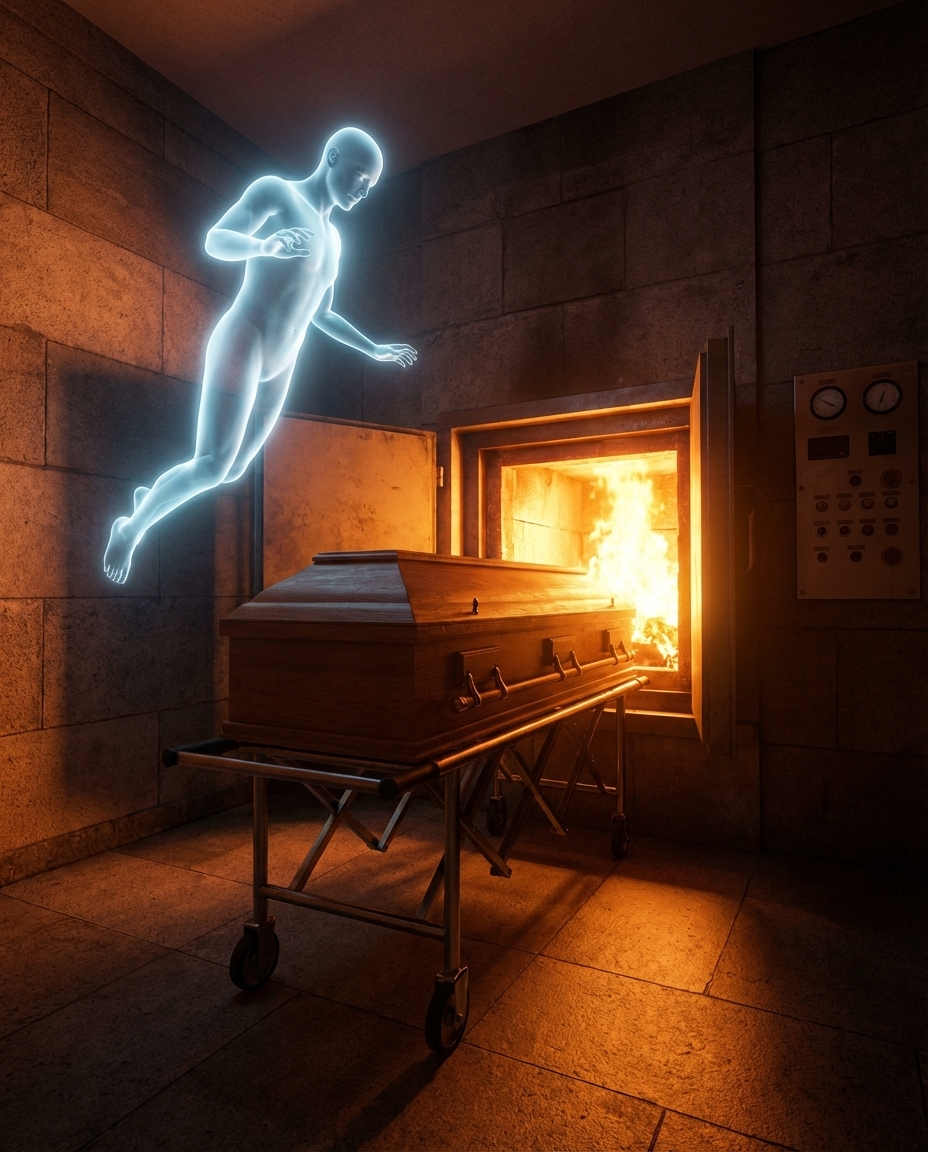
Few subjects invite as much thoughtful reflection as questions surrounding death, remembrance, and what follows after life ends. As cremation becomes increasingly common due to cultural shifts, personal preferences, and practical considerations, many people of faith find themselves reexamining long-held traditions. The questions that arise are rarely about the physical process itself. Instead, they center on meaning: what does this choice say about belief, hope, and respect for life? For those raised within religious traditions, discussions about cremation often lead to a deeper exploration of scripture, symbolism, and the values that shape how life and death are understood.
Scripture does not provide a direct instruction for or against cremation, but it does consistently describe burial as the customary practice throughout biblical history. From early figures in the Old Testament to the burial of Jesus, laying the body in the earth appears as an expression of honor and care. Many believers view burial as a symbolic act that reflects trust in resurrection and renewal. Passages referencing the body returning to dust have reinforced this imagery over centuries, shaping customs that connect physical rest with spiritual expectation. For this reason, burial has long been seen as a visible expression of hope rather than a requirement for faith.
At the same time, Christian teaching places strong emphasis on the power of God beyond physical limitations. Throughout history, countless individuals of faith have faced circumstances where traditional burial was impossible, whether due to natural disasters, conflict, or time. These realities have led many theologians and faith leaders to emphasize that spiritual destiny is not determined by physical conditions. From this perspective, the method by which the body returns to the earth does not diminish belief in resurrection or eternal life. Faith rests not in the preservation of the body, but in trust in a Creator who is not constrained by human processes.
For families and spiritual leaders, the conversation often returns to intention rather than procedure. Decisions surrounding cremation are commonly shaped by financial considerations, personal wishes, or cultural context, and many churches encourage individuals to act in accordance with conscience and prayerful reflection. Dignity, respect, and remembrance remain central, regardless of the choice made. Ultimately, the discussion about cremation invites believers to reflect on where their hope truly lies. For people of faith, that hope is rooted not in a particular custom, but in the enduring promise of life beyond death—a promise that remains unchanged regardless of how one is laid to rest.