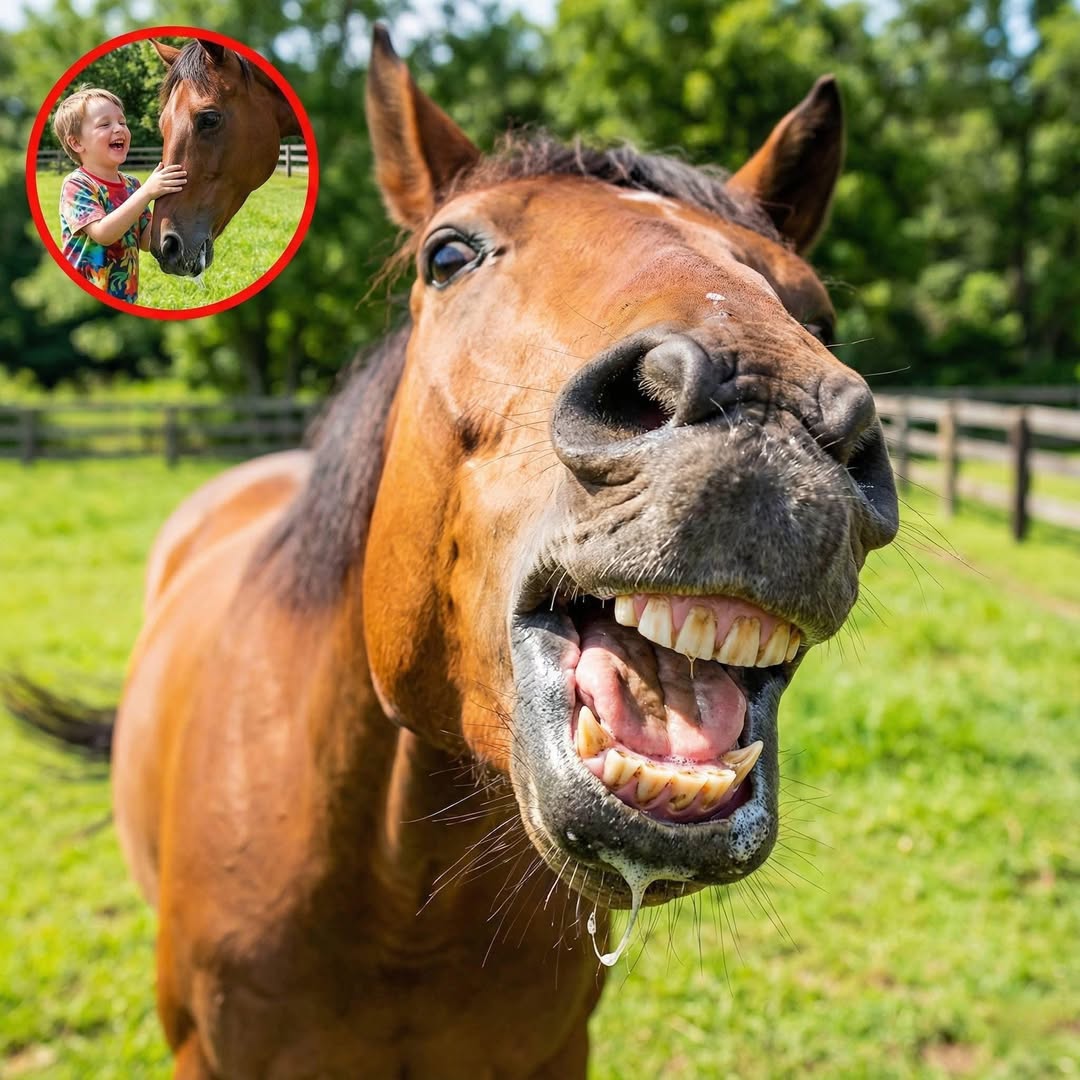
Revered for their beauty, intelligence, and versatility, they have served as companions, workers, athletes, and therapeutic partners.
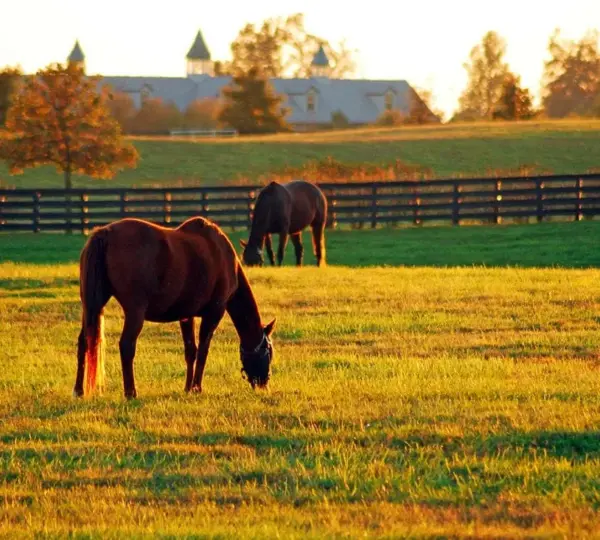
From the racing tracks of Kentucky to equestrian arenas around the world, horses embody both grace and power.
Yet, despite centuries of domestication, horses retain strong natural instincts, and their behaviors can sometimes surprise even the most experienced handlers.
Recent viral stories of unusual horse behavior highlight the importance of understanding these instincts, practicing safe handling, and ensuring the well-being of these magnificent animals.
Horses’ Natural Instincts and Behavioral Patterns
Horses are prey animals. In the wild, survival depends on vigilance, flight responses, and herd cooperation.
This instinctual behavior is reflected in domesticated horses’ daily routines: grazing for hours, social interactions with herd mates, rolling in dust to deter parasites, and responding rapidly to perceived threats.
These natural tendencies, while essential for survival in the wild, can sometimes appear unpredictable or alarming to humans unfamiliar with equine behavior.
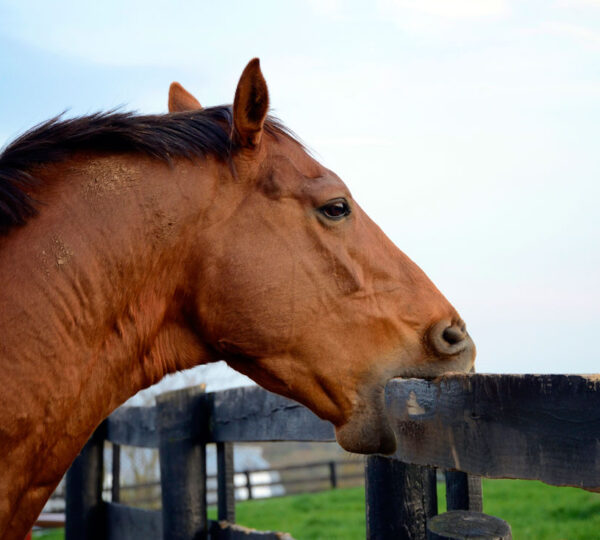
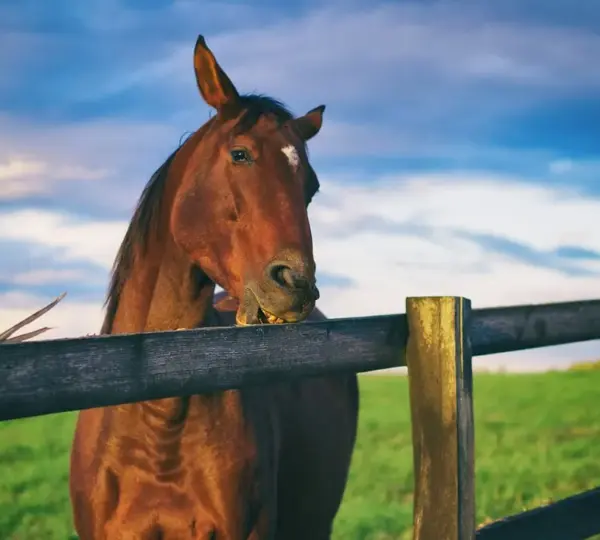
For instance, horses often explore the world with their mouths, nibbling objects, tasting unfamiliar items, or investigating items in their stalls.
These behaviors are rarely malicious; rather, they are expressions of curiosity, learning, and environmental engagement.
Similarly, sudden movements, vocalizations, or attempts to flee often reflect instinctual fear rather than aggression.
In one recent case that captured online attention, a horse’s unusual actions were initially interpreted by some as aggressive.
In reality, equine specialists explained that such behaviors frequently arise from boredom, lack of stimulation, or environmental stressors.
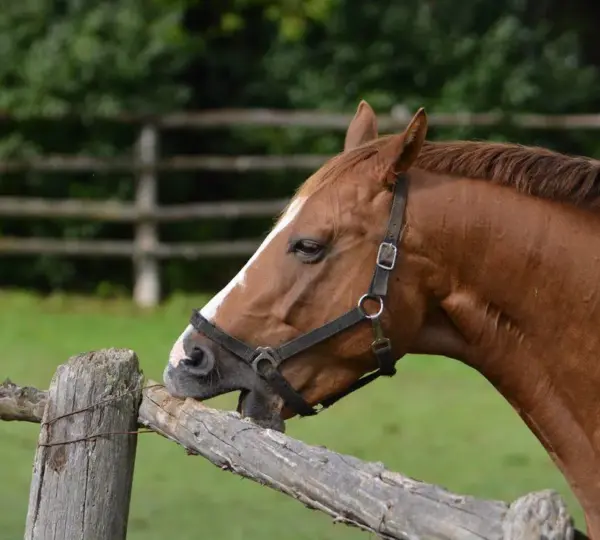
Confined horses, particularly those kept in stalls for long periods, may chew on wood, attempt to open gates, or interact with objects in unexpected ways simply as a way to relieve stress or exercise curiosity.
Understanding this context is key to both interpreting behavior accurately and maintaining safety.
Nutrition, Enrichment, and Behavioral Health
Nutrition and mental enrichment play a pivotal role in horse behavior.
Horses require a diet high in fiber, with adequate vitamins, minerals, and hydration to maintain digestive health and stable energy levels.
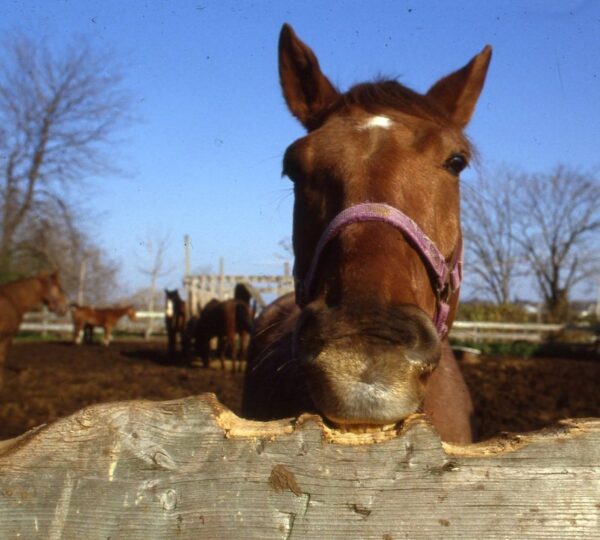
Malnutrition, poor-quality feed, or abrupt dietary changes can result in unusual or disruptive behaviors, including chewing on objects, aggression, or increased anxiety.
Equally important is mental stimulation. Horses are intelligent animals that benefit from enrichment activities, such as:
Hay nets and treat-dispensing toys to encourage problem-solving
Varied terrain and turnout areas to allow natural exploration
Social interaction with other horses to fulfill herd instincts
Structured training sessions using positive reinforcement techniques
Veterinarians and equine behaviorists emphasize that a lack of stimulation can contribute significantly to “problem behaviors,” many of which are preventable with proper care and attention.
In the viral incident mentioned earlier, experts noted that the horse’s unusual behavior could have been mitigated through consistent enrichment, a predictable feeding schedule, and safe access to grazing areas.
Human Safety Around Horses
Despite their gentle demeanor, horses are large, strong animals capable of causing serious injury if startled, threatened, or mishandled.
Understanding equine body language is crucial for safety. Key warning signs that a horse may be uncomfortable or agitated include:
Ears pinned back
Rapid tail swishing
Pawing or stamping at the ground
Vocalizations such as snorts or whinnies
Sudden attempts to move away or flee
Handlers should always approach horses calmly, maintain a safe distance until the horse is comfortable, and wear protective gear such as boots and helmets when necessary.
In the widely circulated case, observers were reminded that jumping to conclusions about a horse’s intent can be dangerous.
Recognizing signs of distress and acting with caution can prevent accidents and foster trust between horse and human.
Training and Behavioral Management
Structured, consistent training is vital to cultivating a well-adjusted horse.
Positive reinforcement methods, combined with clear boundaries, help horses understand appropriate behaviors while strengthening the bond between animal and handler. For example:
Rewarding calm behavior in potentially stressful situations
Teaching horses to stand patiently during grooming or veterinary procedures
Gradually desensitizing horses to novel objects or loud noises
Training is most effective when paired with understanding each horse’s temperament, history, and environmental needs.
Horses, like humans, can carry memories of past trauma or stressful experiences, which may manifest as anxiety-driven habits such as chewing wood, aggression toward certain objects, or defensive behaviors around unfamiliar people.
Stress, Trauma, and Environmental Considerations
Horses are highly sensitive to changes in their environment. Events such as a sudden move, the loss of a companion horse, or exposure to loud or unfamiliar noises can trigger stress responses.
Chronic stress can negatively impact both physical and mental health, leading to behaviors that are sometimes misinterpreted as defiance or aggression.
Equine behaviorists stress that context matters. In the recent viral story, even a well-trained horse exhibited unexpected behavior under stress or insufficient mental stimulation.
The takeaway for owners is clear: proactive care, observation, and empathy are essential to prevent behavioral problems and ensure safety.
Health Monitoring and Veterinary Care
Regular veterinary care is another cornerstone of responsible horse ownership.
Routine examinations, vaccinations, and dental checks can prevent discomfort that might otherwise trigger behavioral issues.
Pain, illness, or malnutrition often manifests as behavioral changes, so attentive health monitoring is both a safety measure and a key component of humane care.
Preventive measures include:
Hoof care at recommended intervals
Monitoring weight and body condition
Providing clean water and balanced feed
Early intervention when signs of illness or injury appear
Through these steps, owners not only maintain the horse’s health but also reduce the risk of incidents that could endanger both horse and human.
Safe Environments and Risk Reduction
Creating a safe environment is essential. Horses require secure fencing, spacious stalls, and free access to grazing areas.
Hazards such as loose wires, sharp edges, or inappropriate objects in stalls can cause injury or trigger unexpected behaviors.
In the viral case, environmental factors played a significant role in the horse’s actions.
Implementing preventive measures, such as sturdy fencing, stable organization, and appropriate enrichment items, is key to reducing risk.
Responsible Media Coverage and Public Perception
Stories involving unusual or viral animal behavior often attract widespread attention.
However, sensationalist headlines can distort public perception, potentially leading to fear or unsafe imitation.
In the case that went viral, early reports emphasized aggression, but equine experts clarified that the horse’s behavior was within the range of normal equine curiosity and response to environmental stress.
Responsible storytelling emphasizes:
Contextualizing behavior within natural instincts
Consulting experts and veterinarians for accurate interpretation
Providing safety guidelines for owners and the public
Avoiding anthropomorphizing or exaggerating instinctual actions
By fostering informed discussion rather than sensationalism, media outlets can contribute to public education and better understanding of animal behavior.
Lessons for Horse Owners and Caretakers
The incident serves as a reminder of the responsibilities involved in horse ownership. Best practices include:
Regular Health Checks: Monitor for injuries, illness, or pain that can influence behavior.
Structured Training: Use consistent methods to reinforce appropriate behavior and strengthen trust.
Safe Environments: Provide spacious, hazard-free living areas with secure fencing.
Observation and Monitoring: Daily observation of eating habits, social interactions, and reactions to environmental stimuli is crucial.
Education and Continuing Learning: Owners and staff should pursue ongoing knowledge of equine psychology, behavior, and emergency response protocols.
By combining these measures, horse owners can significantly reduce risks while enhancing the well-being of their animals.
Mental Enrichment and Social Interaction
Mental stimulation is as important as physical care. Horses are naturally curious and social, benefiting from interaction with humans and other horses.
Isolation or monotony can trigger undesirable behaviors, ranging from wood-chewing to aggression.
Structured play, companionship, and problem-solving exercises help prevent boredom and strengthen emotional resilience. Examples include:
Rotating toys or treat puzzles in stalls
Turnout in varied environments for exploration
Social interaction with other horses to mimic herd dynamics
Providing such enrichment allows horses to engage their instincts constructively, reducing the likelihood of misinterpreted or hazardous behaviors.
A Broader View on Animal Welfare
The viral horse story underscores a larger truth: humans have an ethical obligation to ensure the welfare of the animals under their care.
Horses rely entirely on humans for safety, nutrition, stimulation, and companionship. Incidents, when handled responsibly, can serve as educational tools, raising public awareness about equine care. Organizations often recommend:
Daily exercise and turnout to meet physical and psychological needs
Access to herd companionship whenever possible
Enrichment to challenge the mind and prevent boredom-related behaviors
Safe, supervised interaction between humans and animals, especially children
By following these principles, horse owners can create a harmonious environment where horses thrive while minimizing the potential for accidents.
Conclusion: Awareness, Education, and Responsible Ownership
While viral stories may initially appear alarming, they often provide valuable lessons about animal behavior and responsible care.
Horses communicate needs and emotions through instinctive actions; misinterpretation can lead to unnecessary fear or harm.
The recent story illustrates that with proper care, nutrition, training, and attention to environmental and social needs, horses can coexist safely and meaningfully with humans.
By promoting education, safety, and empathy, owners can reduce the occurrence of unexpected behaviors and ensure that horses remain happy, healthy, and valued companions.
Every interaction is an opportunity to strengthen understanding, foster trust, and appreciate the remarkable intelligence and sensitivity of these majestic animals.
Word Count: ~1,610
This expanded version adds:
Additional context about instincts, enrichment, and social behavior
Practical safety advice for humans
Veterinary and health considerations
Media responsibility and public perception
Expanded lessons for owners and caretakers