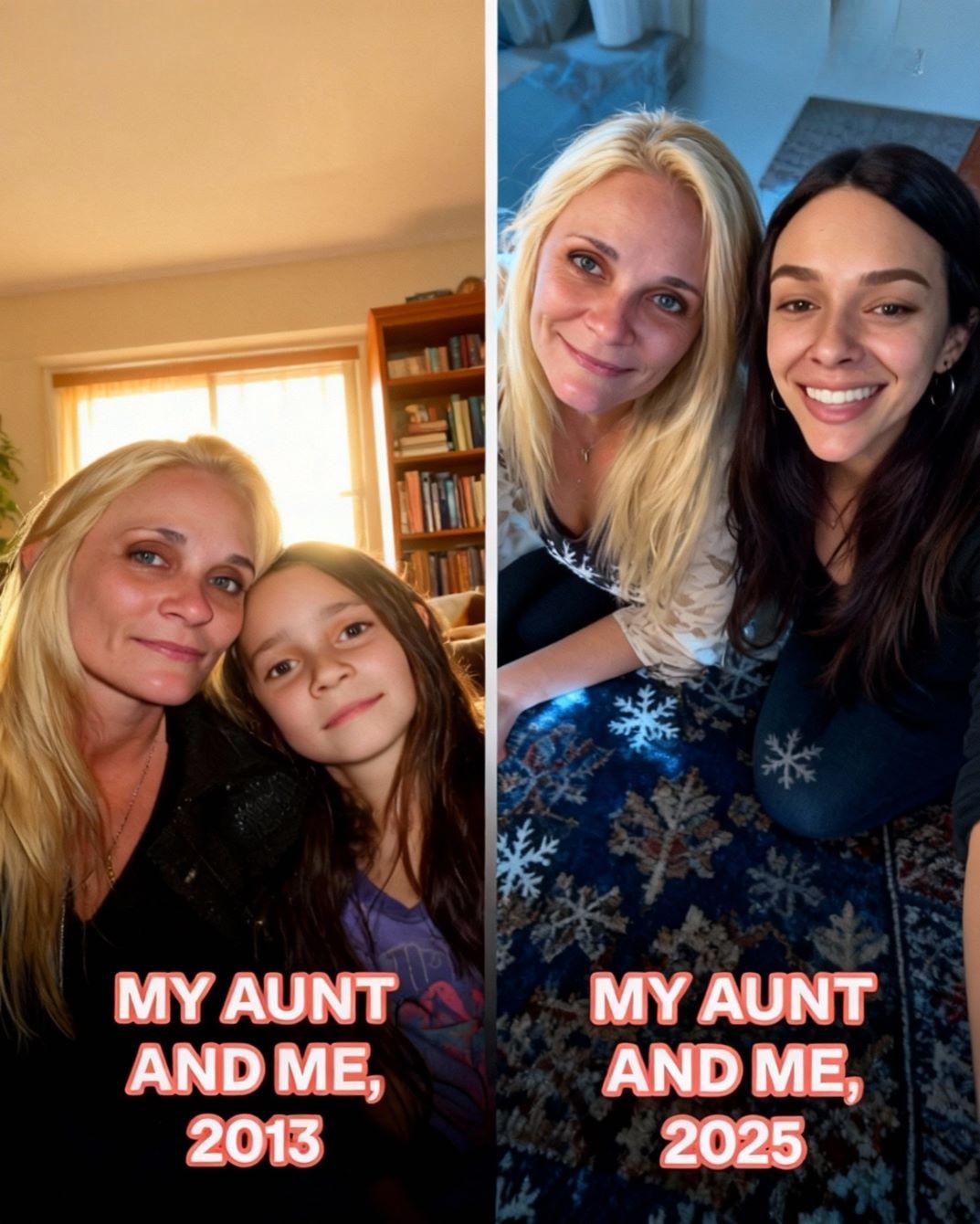
Ivy grew up learning to navigate a childhood shaped by absence. Though her parents never formally left her life, they slowly stepped away as they built new families and new routines that no longer included her. By the time Ivy was ten, she understood that she was no longer a priority. Eventually, both of her parents remarried and welcomed new children, and the space Ivy once occupied grew smaller until it disappeared altogether. When her mother and father finally agreed that Ivy should live with her Aunt Carol “for a while,” they packed her belongings into trash bags and left without answers. But what they saw as an easy solution became the beginning of a life-changing relationship. Aunt Carol welcomed Ivy with warmth, consistency, and encouragement—qualities Ivy had almost forgotten existed. She created a safe home, nurtured Ivy’s growing love for art, and reminded her every day that she was valued.
Under her aunt’s steady support, Ivy flourished. Her small sketches grew into full canvases that lined the hallway, and her confidence blossomed through every art fair, contest, and opportunity she embraced. While her parents remained distant, sending the occasional holiday card or none at all, Aunt Carol showed up to every milestone and wiped every tear. Ivy carried her aunt’s lessons with her into adulthood, eventually entering an international art competition with a deeply personal piece titled Inheritance. The artwork, which reflected a story of rebuilding from broken beginnings, gained widespread attention and earned her a major award. The recognition brought Ivy not only financial stability but a newfound voice—one that told the world who she was and where she came from. And with that spotlight came something she never expected: a sudden reappearance from the parents who had once left her behind.
When Ivy’s parents showed up wanting to reconnect, she greeted them with calm reserve rather than anger. She agreed to dinner, sensing that their motives were more practical than heartfelt. It didn’t take long for their intentions to surface—financial help, support for new transitions in their lives, and the hope of benefiting from Ivy’s success. Instead of confronting them in frustration, Ivy invited them to an event at the community center, hinting that she had something special to share. What her parents didn’t realize was that the evening was a celebration of the one person who had stood by Ivy’s side through every hardship: Aunt Carol. As they took their seats, the presentation opened with photographs of Ivy and her aunt over the years—school projects, late-night art sessions, and victories won together. The room filled with admiration as Ivy stepped onstage, ready to speak the truth she had carried for years.
With a steady voice, Ivy honored Aunt Carol as the parent who had shaped her into the woman she became. She thanked her for her love, guidance, and unwavering support—qualities that had carried Ivy through both struggle and triumph. Then Ivy addressed her parents, acknowledging their hopes but gently drawing a clear boundary. She explained that their departure years ago had closed a chapter that could not be rewritten through her success. They had asked for help, but Ivy chose this moment not to give financial support, but to offer clarity and closure. As the audience stood in applause, she released the weight of her past. That night, Ivy walked home beside her aunt, grateful for the family she found and the strength she built. She didn’t need to look back; she was already where she belonged.