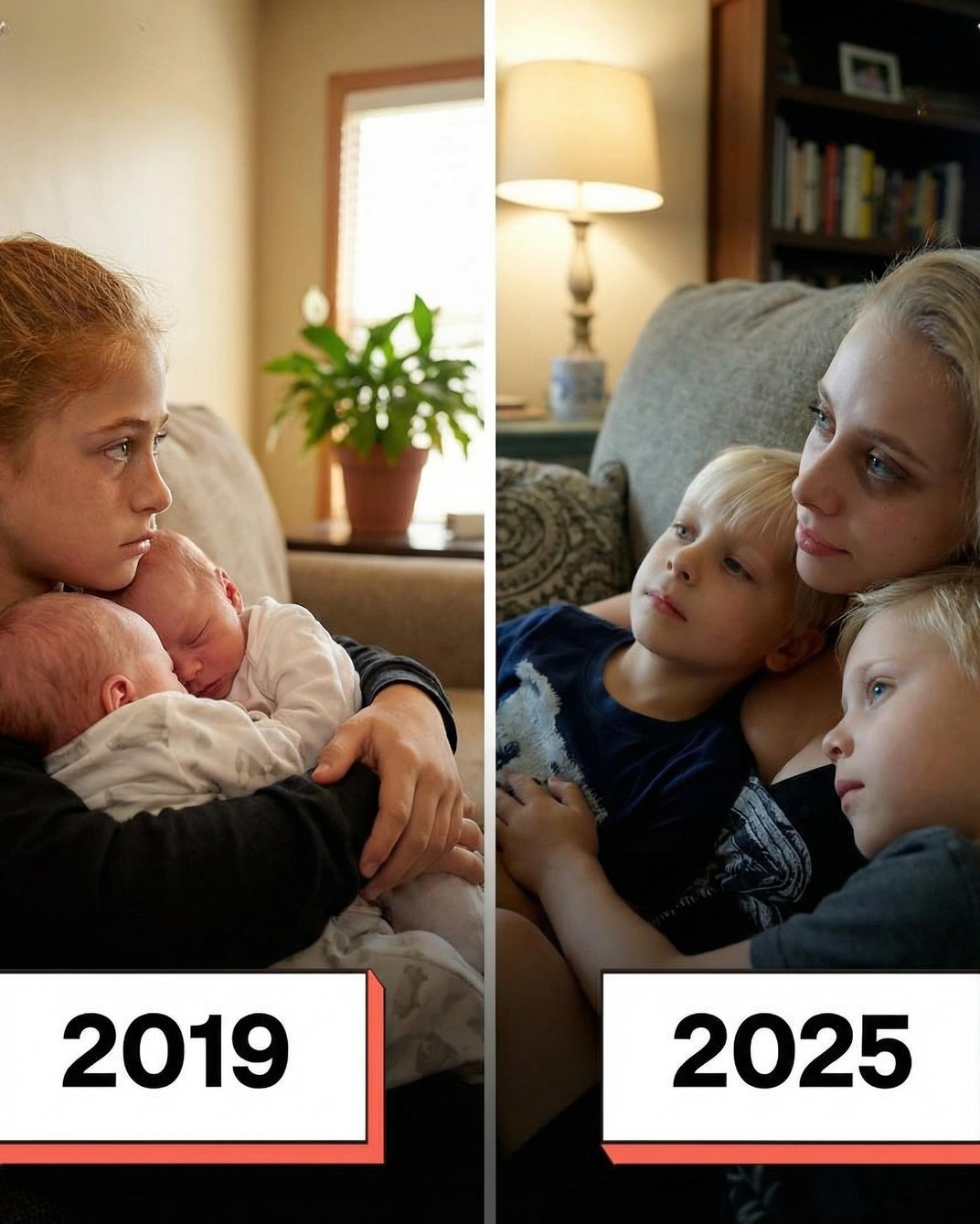
After losing our parents unexpectedly, I suddenly became the only guardian for my six-year-old twin brothers. Adjusting to this new reality was overwhelming, but my fiancé, Mark, supported us every step of the way. He treated the boys with patience, kindness, and genuine affection, joining us in counseling and helping create a stable home during a time of deep grief. Slowly, we began building a new version of family life together. However, one person resisted this change from the beginning — Mark’s mother, Joyce. She made her feelings clear through subtle comments and cold behavior, often implying that my brothers were a burden. I tried to excuse her attitude as misunderstanding or discomfort, but in time, it became clear her disapproval ran far deeper than I had understood.
Joyce’s remarks grew more pointed as the months passed. She frequently hinted that Mark should focus on having “his own children” someday and suggested that caring for my brothers was somehow taking something away from him. Family gatherings became increasingly uncomfortable as she showered attention on other grandchildren while ignoring the boys entirely. The turning point came when she excluded them at a birthday party, offering every child cake except them. It was a small moment on the surface, but it revealed a larger truth: Joyce was unwilling to accept them as part of the family. Mark confronted her for her behavior, and although she acted offended, neither of us believed she understood the impact of her actions.
The situation became truly serious while I was away for a short work trip — the first time I had left the boys since our parents’ passing. When I returned home, the twins ran to me in tears. Through their confusion and fear, they explained that Joyce had visited and brought them small suitcases filled with clothes and toys. She had told them that they would be leaving soon to live with another family, implying that Mark and I would choose not to keep them. Hearing their recount of the conversation was heartbreaking. Mark was devastated as well and confronted his mother immediately, but her explanation only confirmed that she believed her actions were justified. That moment clarified for both of us that protecting the boys meant setting firm boundaries and ensuring our home remained a safe and reassuring space.
A few weeks later, during a planned dinner, Mark and I calmly and clearly explained to Joyce that her behavior had deeply harmed two already vulnerable children and that we needed to create distance for their emotional well-being. We told her that until she was able to acknowledge the hurt she caused and make changes, she would not be involved in our family life. It was a difficult and emotional decision, but it brought immediate peace to our home. Since then, the boys have begun to flourish again, supported by stability, affection, and the certainty that they belong with us. Mark refers to them proudly as “our sons,” and their adoption process is already underway. Each night, when they ask if they are staying with us forever, I reassure them with the truth they most deserve to hear: they are home, and they always will be.